5. Volkswagen Tiguan (2.0 TDI, 2016–2020) — The Premium Family SUV With a Problem It Rarely Advertises
The Volkswagen Tiguan sells in enormous numbers across the UK. It has a premium feel, a refined interior, and carries the Volkswagen badge — long associated with quality engineering and long-term dependability.
So why are so many owners quietly, privately, nursing regret?
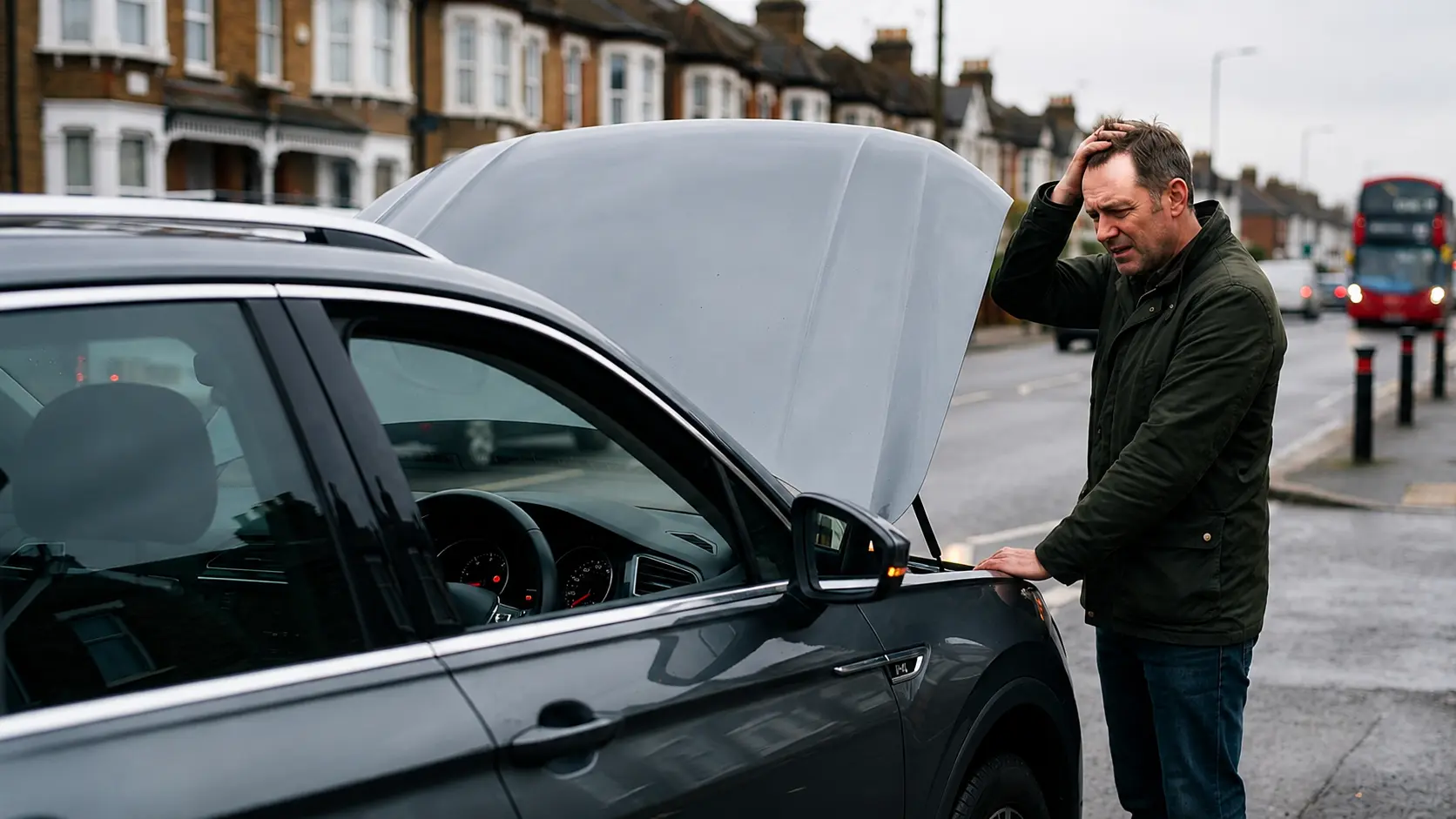
The 2.0 TDI diesel engine at the heart of most Tiguans is well-known to enthusiasts — but not always for the right reasons. DSG dual-clutch gearbox issues are among the most widely reported problems, with owners experiencing shuddering, hesitation, and, in serious cases, complete gearbox failure. DSG repair or replacement at a VW dealer can cost between £1,500 and £4,000.
The DPF system presents problems similar to those seen in the Qashqai — particularly for owners who use the Tiguan for shorter journeys. Add water pump failures, timing belt service costs (typically £600–£900 when done properly with all associated components), and it becomes clear that the Tiguan’s running costs are considerably higher than its polished image suggests.
Fuel economy figures have also attracted criticism. Many owners report real-world consumption figures noticeably worse than VW’s official numbers — particularly relevant at current UK fuel prices, where every mile per gallon counts.
Car insurance for the Tiguan sits in mid-to-high groups, and given its size and value, comprehensive cover premiums reflect this. When you factor in the potential for unexpected repair costs, the financial picture becomes uncomfortable for buyers who initially focused only on the monthly payment.
The Tiguan’s rapid depreciation on diesel variants — particularly post-2019, as consumer sentiment shifted — means that many owners are in negative equity situations, unable to sell without a financial loss that makes their regret even harder to absorb.
Perhaps most frustrating is that the Tiguan can be a good car in the right circumstances, properly maintained, with a full history, and used in appropriate driving conditions. But for the many UK drivers who bought one without fully understanding those conditions, it has become an expensive lesson.
What You Should Know Before Buying Used Cars in the UK
If this list has made you think more carefully, that’s exactly the point. Here’s what experienced UK buyers know — and first-timers often discover too late:
- Always commission an independent pre-purchase inspection. A qualified mechanic inspection costs around £150–£250 and can identify hidden problems that a seller has every incentive to conceal.
- Check the full service history — not just the stamps. Verify records with dealers or garages listed where possible. Incomplete histories on older cars are a significant red flag.
- Research insurance before you fall in love. Get a real insurance quote with your details before committing. Car insurance costs vary enormously between similar cars, and some models carry groups far higher than their price suggests.
- Run a full HPI check. Outstanding finance, written-off status, and stolen vehicle flags can turn a bargain into a legal nightmare. Never skip this step on used cars.
- Understand the real ownership costs. Factor in annual servicing, common known repairs for that model, fuel economy in your typical driving pattern, road tax band, and insurance — not just the sticker price or monthly finance figure.
- Be suspicious of unusually low prices. In the used car market, a price significantly below market rate almost always reflects a problem the seller is hoping you won’t find.
- Consider total cost of ownership over three years. The car with the lower purchase price often costs more to own when depreciation, maintenance costs, and fuel are calculated properly.
The Bottom Line
Every car on this list has sold in enormous numbers across the UK. They’ve been bought by sensible, well-intentioned people who did what they thought was enough research. Many of them are still driving those cars today — managing the costs, absorbing the frustrations, and telling themselves it’s not as bad as it feels.
But privately? A significant number of those owners would make a different choice if they could go back.
The lesson isn’t that these are universally terrible cars. Some examples — properly maintained, right history, bought at the right price — are perfectly acceptable. The lesson is that vehicle reliability, repair costs, and true ownership costs matter far more than badge appeal, monthly payments, or how good a car looks on the driveway.
UK drivers face rising fuel costs, increasingly expensive servicing, expanding clean air zones, and insurance premiums that seem to climb every renewal. In that environment, choosing the wrong car isn’t just an inconvenience — it’s a financial burden that can last for years.
Do the research. Ask the uncomfortable questions. And if a deal looks too good to be true on the used car market, trust your instincts.
The right car for you is out there. Just make sure it’s not one you’ll be quietly regretting twelve months from now.