













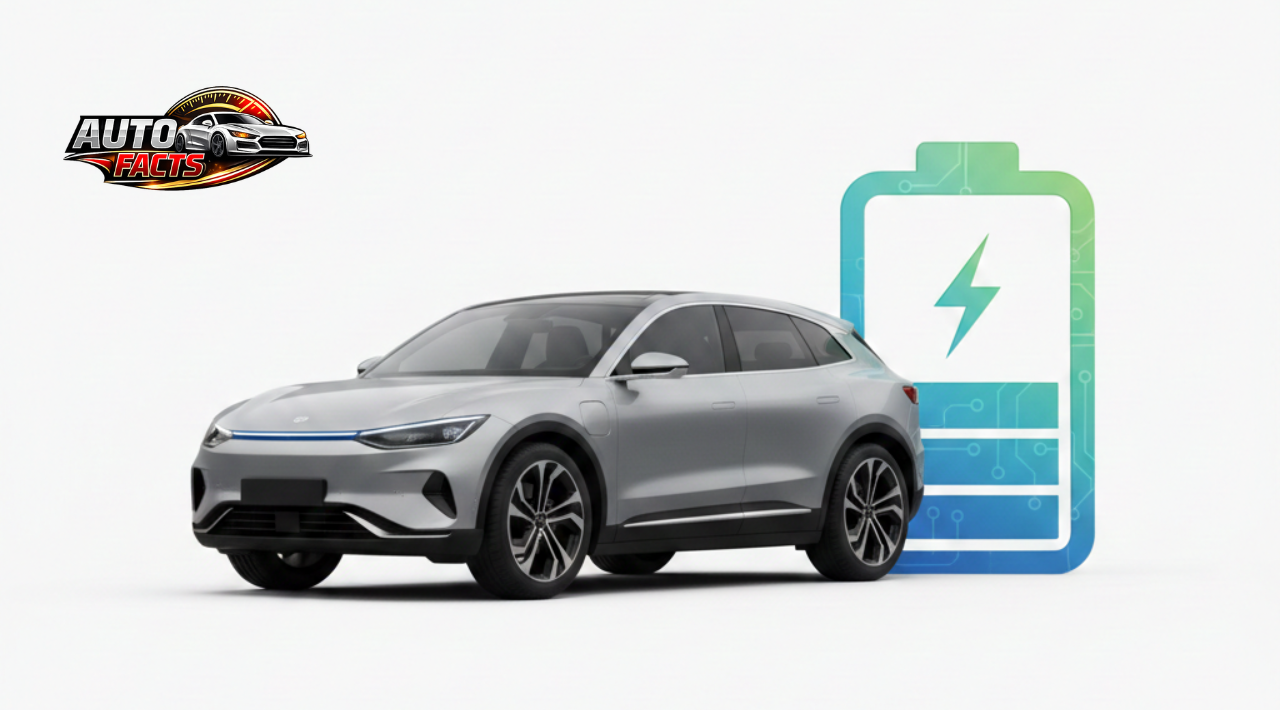
How Long Do Electric Car Batteries Last? The Complete 2026 Survival Guide
If you are thinking about switching to an EV, one question probably keeps you up at night: How long do electric car batteries last? It’s a fair concern. The battery is the heart of the vehicle, and replacing it isn’t exactly like swapping out a remote control battery.
In 2026, the data is clearer than ever. Most modern electric vehicle (EV) batteries are designed to outlast the car itself. This guide breaks down the real-world electric car battery lifespan, the true costs involved, and how you can make your battery live for two decades.
The Short Answer | Real-World Electric Car Battery Lifespan
Based on current 2026 industry data, most electric car batteries will last between 15 to 20 years. While early EVs like the first-generation Nissan Leaf faced some issues, modern lithium-ion technology has become incredibly resilient.
Data from over 6,000 tracked vehicles shows that the average lithium-ion battery degradation rate is roughly 2.3% per year. If you buy a car with a 300-mile range today, you could still have about 230 miles of range after a full decade of driving.
Lifespan by Manufacturer (Projected)
| Brand / Model | Expected Lifespan (Miles) | Typical Warranty | Degradation Tech |
|---|---|---|---|
| Tesla (Model 3/Y) | 300,000 – 500,000 | 8 Years / 120k Miles | Advanced Liquid Cooling |
| Hyundai / Kia (IONIQ 5/6) | 250,000 – 350,000 | 10 Years / 100k Miles | High-Density LFP/NMC |
| Toyota (bZ4X/Lexus RZ) | 300,000+ | 10 Years / 1 Million km* | Conservative Buffers |
| Volkswagen (ID. Series) | 200,000 – 300,000 | 8 Years / 100k Miles | Modular Pack Design |
*Specific to certain regions and maintenance conditions.
Understanding Lithium-Ion Battery Degradation
Batteries don’t just “stop working” one day. Instead, they go through a process called lithium-ion battery degradation. This means the battery’s capacity to hold a charge slowly shrinks over time.
Think of it like a smartphone. When it’s new, it lasts all day. After three years, you might need to charge it by 6:00 PM. Electric cars are the same, but because their battery management systems (BMS) are so advanced, the process happens much, much slower.
What causes degradation?
- Heat: Excessive heat is the “silent killer” of batteries. This is why modern EVs use liquid cooling.
- Fast Charging: Frequently using Level 3 DC fast chargers can stress the cells more than Level 2 home charging.
- Depth of Discharge: Keeping your battery at 0% or 100% for long periods causes chemical stress.
The Safety Net | EV Battery Warranty Explained
If you are worried about a “dud” battery, the EV battery warranty is your best friend. In the United States, federal law requires automakers to cover EV batteries for at least 8 years or 100,000 miles. Some states, like California, have pushed this to 10 years or 150,000 miles.
In 2026, manufacturers are getting even bolder. For example, Tata Motors recently introduced a “lifetime” battery warranty for first-registered owners of certain models to prove their confidence in the tech.
Electric Car Battery Replacement Cost | What if it fails?
This is the big “scare” factor. A few years ago, replacing a battery could cost $20,000. Fortunately, electric car battery replacement cost is plummeting in 2026.
Goldman Sachs research shows that battery prices have fallen nearly 50% since 2023. At current rates, the average pack-level cost is moving toward $80 per kWh. For a standard 60kWh battery, the raw cost is around $4,800, though labor and dealer markups can still bring the total to $7,000–$10,000.
Current Cost Estimates (Out-of-Warranty)
- Small EV (40kWh): $5,500 – $8,000
- Mid-Range SUV (75kWh): $9,000 – $13,000
- Long-Range / Luxury (100kWh+): $15,000 – $22,000
The Big Picture – Cost of Electric Car Ownership
When you look at the cost of electric car ownership, you have to look past the battery. Yes, the battery is expensive, but the electric vehicle maintenance cost is significantly lower than a gas car.
A gas engine has over 2,000 moving parts. An electric motor has about 20. In an EV, you will never pay for:
- Oil changes
- Spark plugs
- Timing belts
- Mufflers or exhaust repairs
- Transmission fluid flushes
Studies show that EV owners save roughly 40% on maintenance over the life of the vehicle. These savings often add up to more than the cost of a potential battery replacement 15 years down the road.
5 Tips to Extend Your EV Battery Lifespan
- The 80/20 Rule: For daily driving, try to keep your charge between 20% and 80%. Only charge to 100% for long road trips.
- Avoid Extreme Heat: If possible, park in the shade or a garage during record-breaking summer heat.
- Minimize DC Fast Charging: Use Level 2 home charging as your primary source. Save the high-speed “superchargers” for travel.
- Use Pre-conditioning: In winter, use your car’s app to warm the battery while it’s still plugged into the wall. This reduces strain.
- Drive Smoothly: Consistent power delivery is easier on the battery chemistry than constant “flooring” of the accelerator.
Final Verdict | Should You Worry?
The short answer is no. In 2026, an electric car is no longer a risky experiment. Between robust EV battery warranties and the falling electric car battery replacement cost, the financial risks are lower than ever.
The average internal combustion engine (ICE) often needs a major transmission or engine overhaul after 150,000 miles. An EV is likely to reach that same milestone with nothing more than a few sets of tires and some windshield wiper fluid.
Ready to Make the Switch?
Now that you know how long EV batteries last, are you looking for a specific model or do you need help calculating your potential fuel savings?