















Electric Cars vs Gas Cars Cost Comparison | The Real Truth in 2026
Is an EV actually cheaper than a traditional gas vehicle? We break down the purchase price, maintenance, and hidden fees to find the winner.
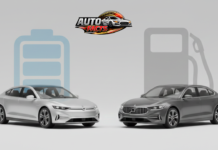
Choosing a new vehicle in 2026 is a much different experience than it was just five years ago. For decades, the Internal Combustion Engine (ICE) was the only logical choice for most people. Today, as we look at an Electric Cars vs Gas Cars Cost Comparison, the gap has closed significantly. But is the initial sticker shock of an EV worth the long-term savings?
In this guide, we will move past the marketing hype and look at the actual car ownership cost comparison. We will analyze fueling costs, routine service, insurance, and the 2026 car prices you can expect at the dealership. Whether you’re a high-mileage commuter or a weekend driver, the “cheaper” option might surprise you.
1. Upfront Purchase Price | The Sticker Shock Factor
Historically, the biggest hurdle for electric vehicles (EVs) has been the purchase price. In 2026, electric cars cost more upfront than their gasoline-powered counterparts, but the premium is shrinking. Manufacturing efficiencies and lower battery material costs have allowed automakers to lower MSRPs across the board.
As of early 2026, the average transaction price for a new EV is roughly $54,000, while the average gas car sits near $47,000. However, this $7,000 gap doesn’t tell the whole story. When you factor in federal tax credits and state incentives, the “out-the-door” price often reaches near-parity for popular models like the Tesla Model 3 or the Hyundai IONIQ 6.
Average Price Comparison by Category (2026 Estimates)
| Vehicle Category | Electric Car (EV) Price | Gas Car (ICE) Price | Price Difference |
|---|---|---|---|
| Compact Sedan | $34,500 | $28,000 | +$6,500 |
| Mid-size SUV | $48,000 | $41,500 | +$6,500 |
| Luxury Sedan | $72,000 | $69,500 | +$2,500 |
| Pickup Truck | $65,000 | $58,000 | +$7,000 |
2. Fueling vs. Charging | Where the Savings Live
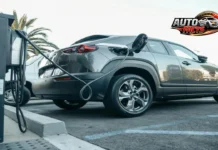
This is where the EV vs ICE expenses diverge most sharply. Gasoline prices remain volatile, influenced by global politics and supply chains. In contrast, residential electricity rates are generally more stable and significantly cheaper per mile driven.
On average, driving 100 miles in a gas-powered car in 2026 costs between $13 and $16, depending on local fuel prices. Driving that same distance in an EV using home charging costs approximately $4 to $6. If you have solar panels at home, that cost can drop to nearly zero.
Monthly Energy Cost Comparison
Based on a standard 1,200 miles driven per month:
- Gasoline Vehicle (28 MPG): Approximately $165 – $190 per month.
- Electric Vehicle (Home Charging): Approximately $45 – $65 per month.
- Electric Vehicle (Public Fast Charging): Approximately $110 – $140 per month.
The “fuel” savings alone for a typical driver often exceed $1,200 per year. Over a five-year ownership period, that’s $6,000 back in your pocket, which nearly erases the higher upfront cost of the EV.
3. Maintenance and Repair Costs
When comparing gas cars cost against EVs, we must look under the hood. A traditional engine has hundreds of moving parts—valves, pistons, fuel injectors, and a complex transmission. An electric motor typically has fewer than twenty.
Because of this simplicity, electric vehicle maintenance cost is consistently lower. You will never pay for an oil change, a spark plug replacement, or a timing belt repair. Furthermore, EVs use “regenerative braking,” which uses the motor to slow the car down. This means your brake pads and rotors can last twice as long as they would on a gas car.
Routine Maintenance Comparison (Annual Average)
| Service Type | Gas Car (ICE) | Electric Car (EV) |
|---|---|---|
| Oil & Filter Change | $150 – $250 | $0 |
| Brake Maintenance | $200 | $75 |
| Fluid Checks/Swaps | $100 | $40 |
| Spark Plugs / Filters | $120 | $0 |
| Total Annual Avg | $570 – $720 | $115 – $230 |
However, it is not all good news for EVs. Electric cars are heavier due to their batteries, which causes them to wear through tires about 20% faster than gas cars. When you do your EV vs ICE expenses math, be sure to budget for a new set of tires every 30,000 to 40,000 miles.
4. Insurance and Registration Fees
Insurance is a hidden cost that often catches new EV owners off guard. In 2026, insurance for an electric vehicle is typically 10% to 15% higher than for a similar gas car. This is because EVs are more expensive to repair if they are involved in an accident, and specialized labor for battery-related repairs is still at a premium.
Registration fees can also be higher. Because EV owners don’t pay gasoline taxes (which fund road repairs), many states have implemented an “EV Road Use Fee” during annual registration. These fees range from $100 to $250 per year to make up for the lost gas tax revenue.
5. Depreciation and Resale Value
Depreciation is the silent killer of car ownership cost comparison. Historically, EVs depreciated faster than gas cars because the technology was moving so quickly. An old EV felt “obsolete” because its range was so much lower than new models.
In 2026, this is changing. Modern batteries are lasting longer, and range has stabilized around the 300-mile mark. According to current market data:
- Gas Cars: Lose about 40-45% of their value over 5 years.
- Electric Cars: Lose about 48-52% of their value over 5 years.
While EVs still lose value slightly faster, the gap is narrowing as the used EV market matures and buyers become more confident in battery longevity.
The Final Verdict | Which is Actually Cheaper?
In 2026, for the average driver who keeps their car for at least five years and can charge at home, the Electric car is the clear winner. The higher upfront cost is typically recouped by year four through fuel and maintenance savings.
However, if you cannot charge at home or you trade in your car every two years, a Gas car or Hybrid remains the more economical choice due to lower upfront prices and slower initial depreciation.
Ready to crunch the numbers?
The “cheapest” car is the one that fits your specific lifestyle and driving habits. Would you like me to create a personalized cost-saving table based on your daily commute and local electricity rates?