











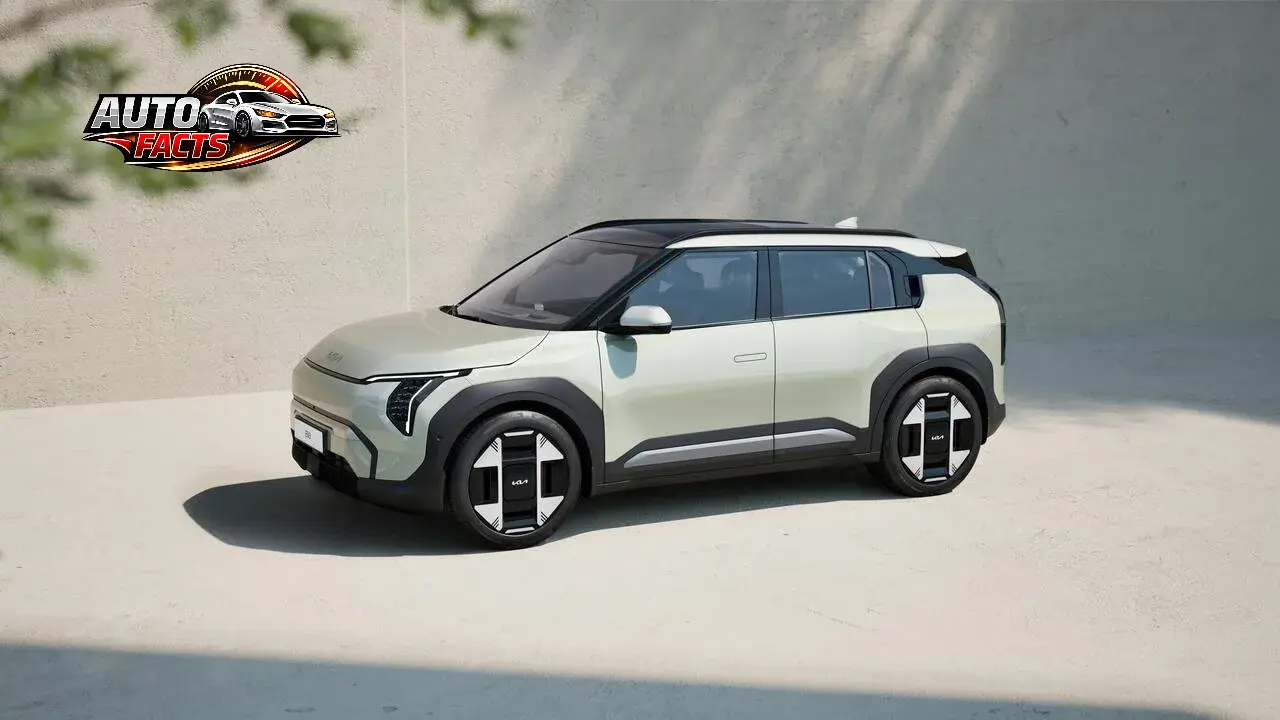
Common EV Problems and How to Avoid Them | The Ultimate Owner’s Guide
The global shift toward sustainable transportation has turned electric vehicles (EVs) from a niche luxury into a mainstream reality. With enticing tax credits and the promise of lower fuel costs, millions are making the switch. However, as the first generation of mass-market EVs begins to age, owners are discovering that “low maintenance” does not mean “no maintenance.”
Understanding common EV problems is essential for anyone looking to maximize their investment. From the nuances of lithium-ion battery health to the complexities of regenerative braking systems, being a proactive owner can save you thousands in out-of-warranty repairs. In this comprehensive guide, we analyze the most frequent hurdles faced by EV drivers and provide actionable strategies to bypass them.
1. Battery Degradation and Capacity Loss
The most significant concern for any EV owner—and the most expensive component of the vehicle—is the battery pack. Over time, all EV batteries lose their ability to hold a full charge. This is known as degradation, and it directly impacts your electric car range.
The Problem
Battery degradation occurs due to chemical changes within the cells. Factors such as “dendrite growth” and the breakdown of the electrolyte solution reduce the amount of energy the battery can store. While most manufacturers guarantee 70% capacity for 8 years or 100,000 miles, rapid degradation can occur if the battery is mistreated.
How to Avoid It
- The 20-80 Rule: Try to keep your battery charge between 20% and 80%. Lithium-ion batteries are stressed when they are sitting at 0% or 100% for long periods.
- Minimize DC Fast Charging: While Level 3 fast chargers are convenient for road trips, the high current generates significant heat, which accelerates chemical aging. Use Level 2 home charging for daily needs.
- Thermal Management: If possible, park in a garage during extreme heat or cold. Most modern EVs use active liquid cooling to manage temperatures, but extreme ambient heat still forces the system to work harder, consuming energy and stressing cells.
2. Software Glitches and Infotainment Failures
Modern EVs are essentially “computers on wheels.” A massive portion of the vehicle’s functionality—from climate control to the advanced driver-assistance systems (ADAS)—is controlled by complex software code.
The Problem
Unlike traditional cars where a mechanical failure is obvious, EV software problems can be intermittent and frustrating. Owners have reported “phantom braking,” screens freezing while driving, and failures in over-the-air (OTA) updates that can leave a car “bricked” (unusable) until a technician intervenes.
How to Avoid It
- Regular Updates: Never ignore an update notification. Manufacturers frequently release patches that improve battery management system (BMS) efficiency and fix security vulnerabilities.
- Hard Resets| Learn the “hard reboot” procedure for your specific model. Often, a simple two-button salute on the steering wheel can clear temporary cache errors and restore functionality.
- Stable Wi-Fi| Ensure your car has a strong Wi-Fi signal when performing major updates to prevent file corruption during the download process.
3. Charging Port and Connector Issues
If you can’t charge, your EV is nothing more than a very expensive paperweight. Charging infrastructure and the physical hardware on the car are common points of failure.
The Problem
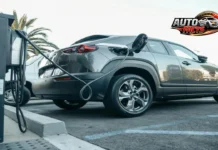
Charging ports are exposed to the elements. Dust, debris, and moisture can lead to corrosion or bent pins. Furthermore, the locking mechanism that holds the charging cable in place can fail, preventing the high-voltage handshake required to start the energy flow.
How to Avoid It
- Inspect the Pins| Periodically check your car’s charging port for debris. Use compressed air to blow out dust, but never insert metal objects.
- Cable Support: When using heavy CCS or NACS fast-charging cables, ensure the weight isn’t pulling down on the port at an awkward angle. This can cause the internal seals to fail over time.
- Weather Protection: While ports are designed to be waterproof, using a simple magnetic charging port cover during heavy snow or ice storms can prevent the “frozen port” syndrome that plagues many owners in northern climates.
4. Premature Tire Wear
Many new EV owners are shocked when they need new tires after only 15,000 to 20,000 miles. This is significantly shorter than the 40,000+ miles expected on an internal combustion engine (ICE) vehicle.
The Problem
EVs are much heavier than ICE cars due to the weight of the battery pack. Additionally, electric motors provide instant torque. This combination of high weight and aggressive off-the-line acceleration puts immense stress on the tire tread, leading to rapid wear.
How to Avoid It
- EV-Specific Tires: When it’s time to replace, buy tires specifically engineered for EVs. These have reinforced sidewalls to handle the weight and specialized rubber compounds to reduce rolling resistance.
- Gentle Acceleration: While the “insane mode” launch is fun, it’s the primary culprit for tire shredding. Use “Chill” or “Eco” modes for daily commuting.
- Frequent Rotations: Because of the heavy weight distribution, you should rotate your tires every 5,000 to 7,000 miles to ensure even wear across all four corners.
5. Thermal Management System Failures
Electric cars rely on complex cooling loops to keep the battery, motor, and power electronics within a specific temperature window. If this system fails, the car may enter “Limp Mode” or refuse to charge.
The Problem
Coolant leaks or pump failures are more common than many realize. Because EV systems are pressurized and involve high-voltage components, a simple leak can lead to a high-cost repair if the coolant enters the battery housing.
How to Avoid It
- Check for Puddles: EV coolant is usually blue, orange, or green. If you see a bright-colored fluid on your garage floor, do not ignore it.
- Listen for Unusual Fans: If your cooling fans are running at maximum speed during a mild day or while the car is parked and not charging, there may be a sensor or pump issue.
- Stick to the Schedule: Even though EVs don’t need oil changes, many require a coolant flush every 3 to 5 years. Check your owner’s manual and don’t skip this service.
Comparison | EV vs. ICE Maintenance Costs
To understand the financial impact of these problems, we can compare the typical 5-year maintenance requirements for a modern EV versus a traditional gasoline vehicle.
| Maintenance Item | Electric Vehicle (EV) | Gasoline Vehicle (ICE) |
|---|---|---|
| Oil & Filter Changes | $0 | $500 – $800 |
| Brake Pads/Rotors | Low (Regen Braking) | Moderate ($400+) |
| Tire Replacement | High ($800 – $1,200) | Moderate ($600 – $900) |
| Cooling System Service | $200 – $400 | $150 – $300 |
| Software/Electronics | Variable (High Risk) | Low |
6. Brake System Seizing
One of the ironies of EV ownership is that because you have regenerative braking, you rarely use your mechanical brakes. This can actually lead to a unique set of problems.
The Problem
In regions where salt is used on the roads in winter, the brake calipers and pads can corrode and “seize” because they aren’t being exercised. The rust builds up on the rotors and isn’t “scrubbed” off by regular braking action, leading to noise, reduced efficiency, and potential safety risks.
How to Avoid It
- The Weekly “Brake Scrub”: Once a week, when safe and no cars are behind you, put the car in neutral (which usually disables regen) and apply the mechanical brakes firmly. This clears surface rust and keeps the calipers moving.
- Annual Lubrication: Have a mechanic clean and lubricate the brake slider pins once a year, especially if you live in a “salt belt” state or province.
7. 12V Battery Failures
Even though you have a massive high-voltage battery under the floor, your car still relies on a standard 12-volt lead-acid battery to power the lights, locks, and computer systems.
The Problem
The 12V battery in an EV is often under high stress because it is constantly being used to keep the car’s “always-on” features active. If the 12V battery dies, you cannot start the car or even unlock the doors—even if the main traction battery is at 100%.
How to Avoid It
- Replace Proactively: Don’t wait for it to fail. Replace your 12V battery every 3 years.
- Avoid “Vampire Drain”: Limit the number of times you check your car’s mobile app. Each time you wake the car up via the app, you draw power from the 12V battery.
- Use a Maintainer: If you plan on leaving the car for more than two weeks, use a 12V battery tender to keep the auxiliary system healthy.
Action Plan: Maintaining Your EV Like a Pro
To ensure your electric car resale value remains high and your repair bills remain low, follow this simple maintenance checklist:
- Monthly: Check tire pressure. Low pressure increases rolling resistance and kills range.
- Quarterly: Inspect the charging port and clean the windshield wiper blades (rubber components can dry out faster in EVs due to higher static heat).
- Bi-Annually: Deep clean the undercarriage to remove salt and road grime from the battery casing.
- Every 2 Years: Replace the cabin air filter. EVs are sealed tightly, and a clogged filter can stress the HVAC system.
Conclusion| Are EVs Worth the Trouble?
Despite these potential issues, electric vehicles remain significantly more efficient and cheaper to operate over the long term than their internal combustion counterparts. The key is shifting your mindset from mechanical maintenance to electrical and chemical preservation. By protecting your battery health, staying on top of software updates, and being mindful of tire wear, you can enjoy the silent, powerful performance of an EV with none of the “shocks” of unexpected repair bills.
FAQ
1. How much does it cost to replace an EV battery?
Currently, EV battery replacement costs range from $5,000 to $20,000 depending on the size and manufacturer. However, most drivers will never need a full replacement if they follow proper charging habits, as batteries are designed to outlast the life of the car.
2. Can I jump-start an electric car?
You can jump-start the 12V auxiliary battery of an EV just like a gas car. However, you should never attempt to jump-start the high-voltage traction battery. Always consult your manual as some EVs have specific terminals for jumping.
3. Do EVs lose range in the winter?
Yes, EV winter range loss can be between 20% and 40%. This is due to the battery’s slower chemical reactions in the cold and the high energy demand of the electric heater. Using a “Heat Pump” equipped EV and pre-conditioning while plugged in can mitigate this.
4. Does fast charging damage the battery?
Occasional DC fast charging is fine. However, studies show that vehicles that rely exclusively on fast charging show slightly higher degradation rates (about 1-4% more) compared to those that use Level 2 home charging.
5. Why is my EV insurance more expensive?
EV insurance premiums are often higher because of higher repair costs. Even a minor fender bender can be expensive if sensors are damaged or if there is any suspicion of damage to the high-voltage battery pack.