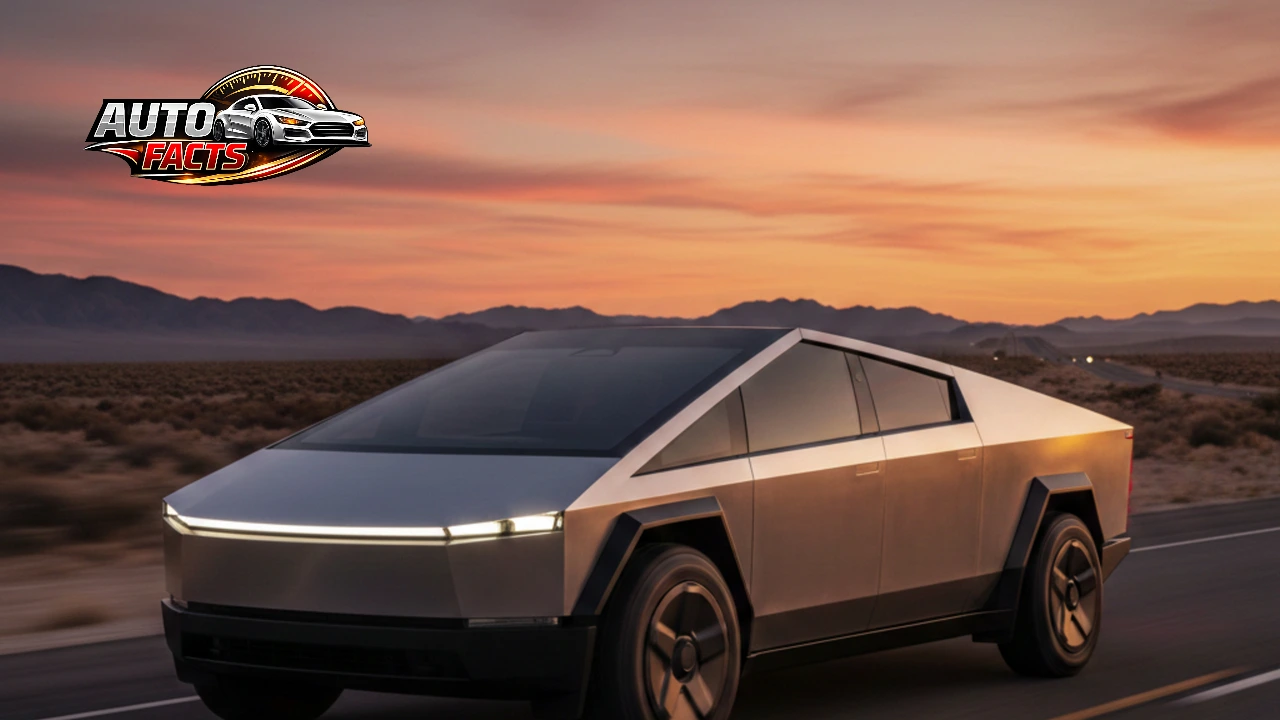
Tesla Cybertruck Dual Motor AWD Under $65,000 | Is It Worth It?
The Tesla Cybertruck continues to divide opinions — but demand clearly hasn’t disappeared. While some buyers hesitate at the $80,000 to $100,000 price tags of the Premium AWD and Cyberbeast trims, Tesla has now introduced a more affordable option that could bring new customers into the fold.
The company is now offering a Dual Motor All-Wheel Drive Cybertruck priced under $65,000, with an estimated out-the-door cost of around $62,235. That puts it much closer to traditional gasoline-powered pickup trucks — and directly into one of the most competitive segments in the market.
How It Compares to Gas-Powered Trucks
At this price point, the Cybertruck enters serious competition with established combustion-engine pickups. For example, a 2026 Ford F-150 XLT SuperCrew Hybrid 4WD with a 6.5-foot bed starts around $60,655 — slightly cheaper than the Tesla.
The 2026 Ram 1500 Big Horn 4WD with the 3.0-liter twin-turbo inline-six engine starts even lower at $59,165. Meanwhile, the 2026 Chevrolet Silverado LT Trail Boss Crew Cab with a standard bed costs approximately $62,795, nearly identical to the new Cybertruck’s pricing.
This means Tesla is no longer competing only with electric trucks — it’s now positioned directly against mainstream full-size pickups that dominate the U.S. market.
Where It Stands Among Electric Trucks
Within the electric pickup segment, the Cybertruck Dual Motor trim sits somewhere in the middle. It undercuts the Rivian R1T Dual Standard, which starts around $74,990, by nearly $13,000. It also comes in about $4,000 cheaper than the 2026 Ford F-150 Lightning XLT.
However, it does not claim the lowest EV truck price overall. The 2026 Chevrolet Silverado EV WT starts at approximately $55,395 — giving Chevy a noticeable price advantage.
On paper, the new Tesla Cybertruck appears to be a relatively competitive value for buyers who want an all-electric pickup without entering six-figure territory.
What You Lose at the Lower Price
Of course, the lower price comes with trade-offs.
One of the most significant changes is the removal of the adjustable air suspension system. In its place, Tesla installs a conventional coil-spring suspension with adaptive dampers. While still capable, it reduces overall flexibility and ride-height adjustability.
Towing and payload ratings also decrease. Instead of the 11,000-pound towing capacity found in higher trims, this base Dual Motor version is rated at 7,500 pounds. Payload drops from 2,500 pounds to 2,006 pounds. These numbers remain respectable — but represent a noticeable step down.
Exterior and Bed Changes
Some exterior lighting features have been simplified. The full rear light bar seen on premium models is removed, and bed lighting appears more basic.
The truck still includes a motorized tonneau cover, although it’s not the upgraded “Vault” version. Additionally, L-track cargo rails are no longer included.
On the positive side, Tesla retains practical worksite functionality. The bed continues to offer two 120-volt outlets and one 240-volt outlet, making it useful for tools and outdoor equipment.
Interior Downgrades
The cost savings become more noticeable inside the cabin.
The audio system is reduced to a seven-speaker setup, and active noise cancellation has been removed. Interior materials shift to a single “tactical gray” theme with textile seating instead of higher-end finishes.
Only front-row passengers receive heated seats, while ventilation and second-row heating have been eliminated. Rear passengers also lose the 9.4-inch display found in premium trims, and the center console is simplified.
Is It Still a Good Deal?
Despite the feature reductions, this version of the Cybertruck may appeal to buyers focused primarily on electric performance and AWD capability rather than luxury features.
For shoppers comparing electric trucks based on price alone, Tesla’s sub-$65,000 offering brings the brand into a far more accessible range. It also positions the Cybertruck as a serious alternative to gasoline-powered pickups — especially for those interested in EV ownership without exceeding traditional truck budgets.
Final Thoughts
The new Dual Motor AWD Cybertruck doesn’t offer every feature found in higher trims, but it significantly lowers the barrier to entry. Whether it represents strong value depends on what buyers prioritize: maximum towing capacity and premium features — or electric driving and Tesla’s distinctive design at a more competitive price.
Either way, Tesla has made one thing clear: the Cybertruck is no longer just a high-priced experiment — it’s entering the mainstream pickup battle.