The Most Expensive Mistake Drivers Make Every Winter | A Multi-Thousand Dollar Oversight
The mercury had plummeted to a bone-chilling -15°F in suburban Chicago. Mark, a dedicated father of two, stepped out into the crisp morning air, his breath blooming in white clouds. He had a big presentation at 9:00 AM, and he was already running five minutes behind schedule.
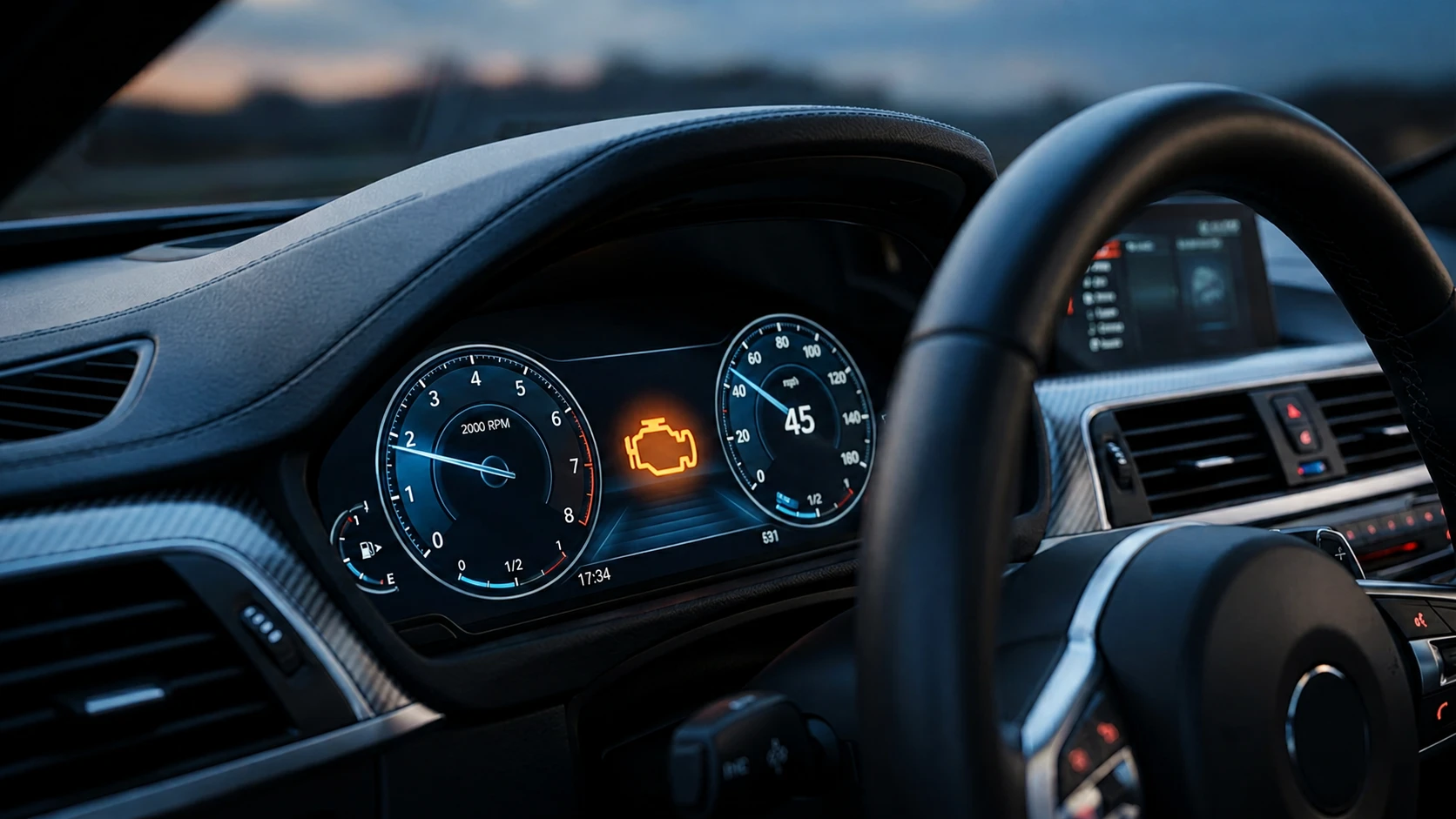
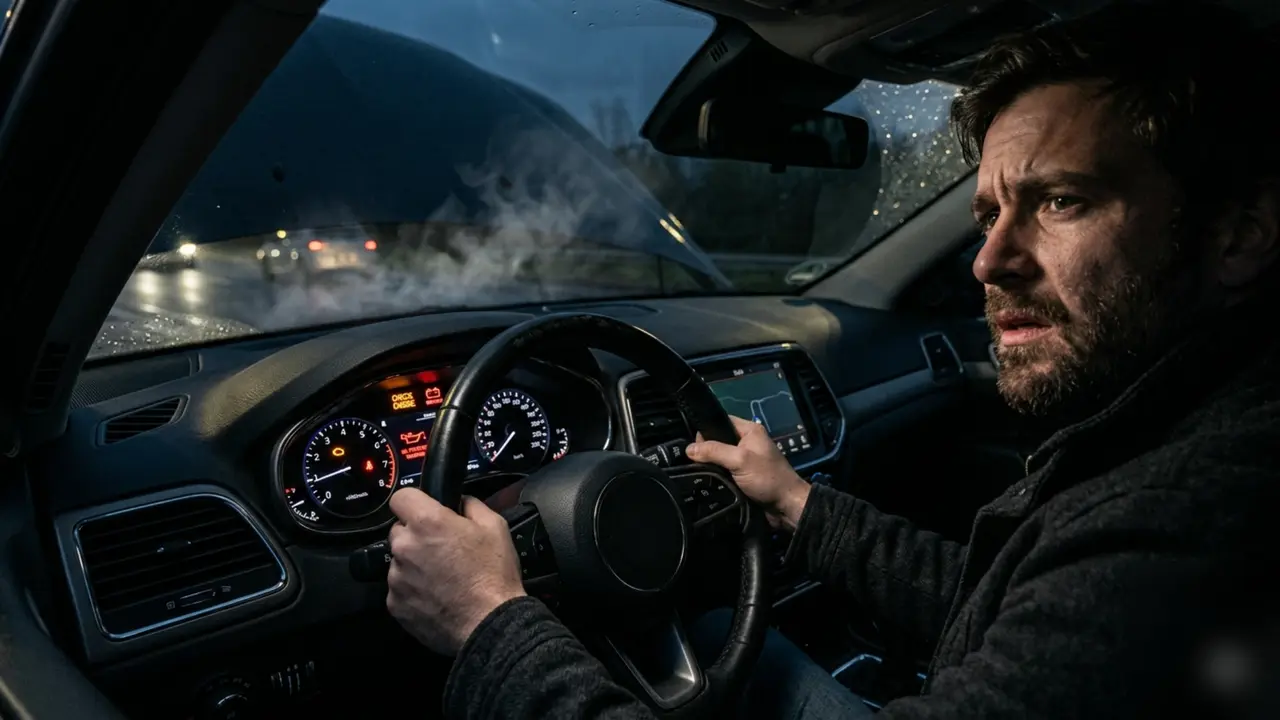
He hopped into his SUV, twisted the key, and listened as the engine groaned with a sluggish, metallic protest before finally roaring to life. Without a second thought, Mark shifted into reverse and pinned the throttle, eager to clear his icy driveway and get moving. He didn’t hear the faint, high-pitched whine from under the hood—not until he was three miles down the interstate.
Suddenly, the cabin filled with a sweet, acrid smell. A plume of white smoke billowed from the grille. By the time Mark pulled onto the shoulder, his engine had seized. What began as a rushed morning ended with a $7,500 engine repair cost and a canceled presentation. The culprit? A mistake so common, yet so devastating, that it drains bank accounts across the country every single winter.
The “Cold Start” Catastrophe | The Silent Engine Killer
While many drivers worry about car accidents in winter or sliding off an icy road, the most expensive mistake actually happens before the car ever leaves the driveway. The mistake is aggressive driving on a cold engine, often combined with using the wrong oil viscosity or neglecting the cooling system.
When your car sits overnight in freezing temperatures, the oil inside the engine settles into the pan and thickens. Modern synthetic oils are better than old conventional oils, but they still struggle to flow instantly when it is 10 degrees outside. It takes several seconds for the oil pump to circulate that “molasses-like” fluid to the top of the engine where the camshafts and valves live.
If you start your car and immediately “floor it” to merge into traffic, you are forcing metal components to rub against each other with almost zero lubrication. This creates microscopic scarring that, over just a few winters, leads to total engine failure.
The Price of Impatience: Real-World Repair Bills
To understand why this is the most expensive mistake, you have to look at the vehicle repair bills associated with internal engine damage. Unlike a flat tire or a dead battery, internal mechanical failure often results in a “total loss” scenario for older vehicles.
- Full Engine Replacement: $4,000 – $9,000 (depending on make/model).
- Turbocharger Failure: $1,500 – $3,000 (Turbochargers are extremely sensitive to cold-start lubrication).
- Head Gasket Repair: $2,000 – $4,000 (Caused by rapid, uneven thermal expansion).
Most car insurance policies will not cover mechanical failure caused by wear and tear or improper operation. This means the entire bill comes out of your pocket, often right around the holiday season when budgets are already tight.
Secondary Winter Blunders That Drain Your Wallet
While the “cold start” damage is the silent killer, several other winter car maintenance oversights can be nearly as costly. Let’s look at the runners-up for the title of “Most Expensive Mistake.”
1. Neglecting the Coolant (Antifreeze) Mixture
It is called “coolant” in the summer, but it is “antifreeze” in the winter. If your mixture has too much water and not enough ethylene glycol, the liquid can actually freeze inside your engine block. Since water expands when it freezes, it can literally crack the iron or aluminum engine block from the inside out. This turns your car into a very expensive paperweight instantly.
2. Overestimating All-Season Tires
In many parts of the US, UK, and Canada, drivers believe “All-Season” means “Winter-Ready.” It doesn’t. Once temperatures drop below 45°F (7°C), the rubber in all-season tires hardens, losing its grip. This leads to car accidents in winter that could have been avoided. Even a minor fender bender can result in a $1,000 deductible payment and increased insurance premiums for years.
3. Ignoring Battery Health
A battery that works fine in July might die in January. Cold weather slows down the chemical reactions inside the battery, while the thickened engine oil requires more power to turn the engine over. Getting stranded is not just an inconvenience; if you require an emergency tow on a holiday or during a blizzard, you could be looking at a $200-$400 dealership service cost just for a simple replacement and labor.
How to Protect Your Wallet and Your Vehicle
Preventing a multi-thousand dollar engine repair cost doesn’t require a degree in mechanical engineering. It requires a change in habits and a few proactive winter driving tips.
The 30-Second Rule
You do not need to let your car idle for 15 minutes (this actually wastes fuel and can wash cylinder walls with raw gas). Instead, give it 30 to 60 seconds. This allows the oil to reach the top of the engine and the oil pressure to stabilize. After that, drive gently for the first 5-10 minutes until the temperature gauge reaches its normal operating range.
Check Your Fluids Early
Before the first frost, have a technician check your coolant’s freezing point with a refractometer. Ensure you are using the oil viscosity recommended by the manufacturer for cold climates (e.g., switching from a 10W-30 to a 5W-30 if permitted by your manual).
Invest in Winter Tires
The brake replacement cost and bodywork repairs from one slide into a curb will cost far more than a set of dedicated winter tires. Winter tires stay soft in the cold, providing the traction necessary to stop safely on ice and hard-packed snow.
The Long-Term Cost of Winter Neglect
Beyond the immediate repairs, consistent winter abuse lowers the resale value of your vehicle. When a savvy buyer or a dealership mechanic hears that “cold-start knock” or sees signs of salt corrosion on the undercarriage, your trade-in value plummets.
Properly maintaining your car during the winter ensures that your auto insurance claims remain at zero and your car remains a reliable asset rather than a liability. In the world of automotive ownership, an ounce of prevention is worth roughly five gallons of cure—and several thousand dollars in savings.
Conclusion | Take Action Before the Freeze
Winter doesn’t have to be the season of financial stress. By avoiding the temptation to rush a cold engine and investing in basic winter car maintenance, you can bypass the most expensive mistakes drivers make. Don’t let your morning commute turn into a mechanical nightmare.
Pro Tip | Check your owner’s manual today to see the specific cold-weather recommendations for your vehicle. A five-minute read could save you $5,000.
Frequently Asked Questions (FAQ)
1. Does car insurance cover engine failure in winter?
Standard car insurance typically does not cover mechanical failures or engine damage caused by extreme cold or poor maintenance. It only covers damage resulting from an accident, fire, or theft (if you have comprehensive/collision coverage).
2. How much does a typical engine repair cost?
Minor engine repairs might cost between $500 and $1,500. However, major engine repair cost for a seized engine or a cracked block usually starts at $4,000 and can go as high as $10,000 for luxury or heavy-duty vehicles.
3. Is it bad to start my car and drive immediately in the winter?
Yes. Driving aggressively immediately after a cold start is the fastest way to cause internal engine wear. You should allow the oil to circulate for at least 30-60 seconds and then drive moderately until the engine warms up.
4. What is the most important winter car maintenance tip?
Testing your battery and checking your antifreeze levels are the most critical steps. These two components are responsible for the majority of winter-related breakdowns and expensive “no-start” service calls.
5. Can winter weather cause car accidents?
Absolutely. Car accidents in winter are significantly more fre