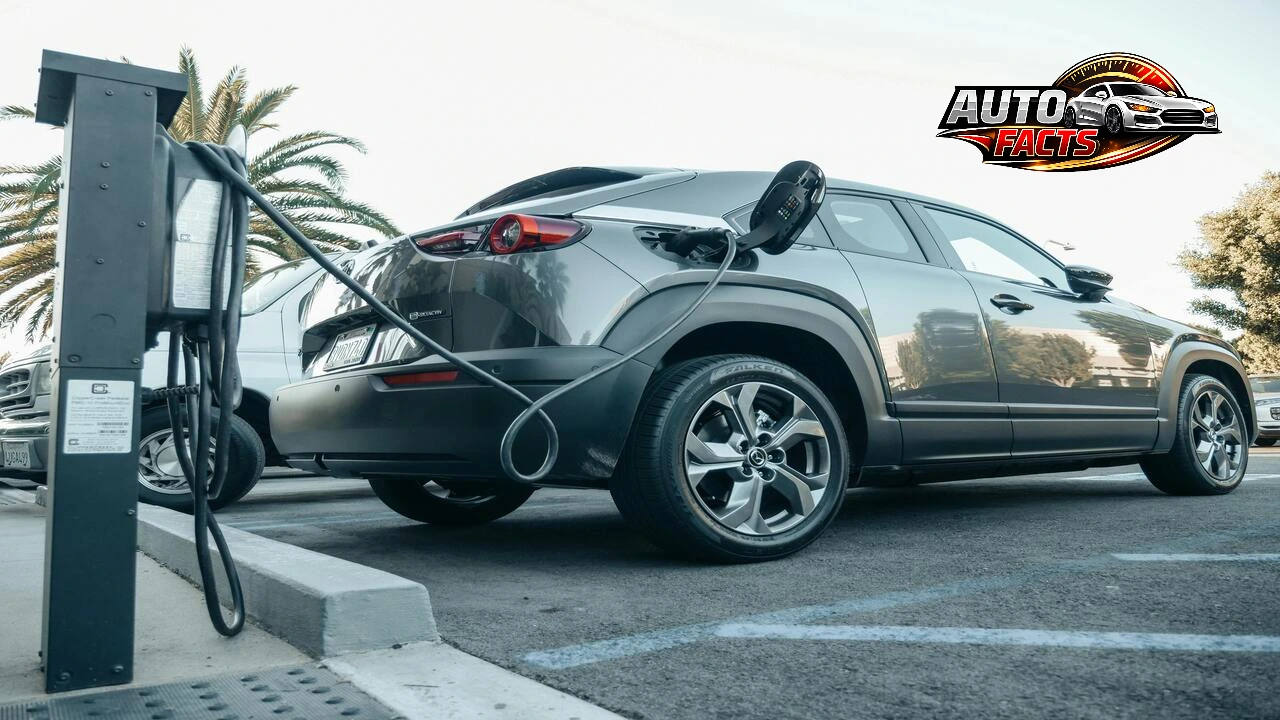
Top 8 Myths About Electric Cars Debunked | Separating Fact from Fiction
The transition to electric vehicles (EVs) represents the most significant shift in transportation since the Ford Model T replaced the horse and buggy. However, with massive change comes massive skepticism. For every driver touting the benefits of cheap electric car charging and instant torque, there is a skeptic claiming that EVs are a disaster for the power grid or that their batteries will end up in a landfill within three years.
For a tech-savvy audience, data is the only antidote to hearsay. In this deep dive for Auto Facts, we use the latest 2026 industry data to tackle the most persistent electric car myths. Whether you are worried about EV ownership costs or “range anxiety,” we have the technical explanations you need to understand the true state of modern mobility.
Myth 1: “EV Batteries Only Last a Few Years and are Costly to Replace”
Perhaps the most prevalent myth is that an electric car battery is like a smartphone battery—destined to be useless after 24 months. Skeptics often cite the $15,000 price tag of a replacement pack as a reason to avoid EVs altogether.
The Reality
Modern EV battery life is engineered to outlast the vehicle itself. Most manufacturers in Tier 1 countries (USA, UK, Canada, EU) provide a mandatory warranty of 8 years or 100,000 miles (160,000 km), usually guaranteeing at least 70% capacity. Real-world data from early Tesla Model S and Nissan Leaf fleets shows that most batteries retain over 80% of their capacity even after 200,000 miles.
Key Facts:
- Advanced BMS: Unlike a phone, EVs have a Battery Management System (BMS) that uses liquid cooling and heating to keep cells at the perfect temperature.
- Buffering: Manufacturers include “buffer” capacity. When your car shows 100% charge, it may actually only be at 95% of its physical limit to prevent chemical stress.
- Second Life: Even when a battery is no longer fit for a car, it is 95% recyclable or can be used for stationary home energy storage.
Myth 2: “Electric Cars Are More Polluting Than Gas Cars Due to Manufacturing”
A common argument is that the mining of lithium, cobalt, and nickel, combined with the energy-intensive battery manufacturing process, makes an EV “dirtier” than a traditional internal combustion engine (ICE) vehicle.
The Reality
While it is true that an EV has a higher “carbon debt” at the moment it leaves the factory, it pays off that debt incredibly quickly. According to the Union of Concerned Scientists, even when charging on a power grid dominated by coal, an EV becomes cleaner than a 30-MPG gas car within 6 to 18 months of driving.
Environmental Comparison Table
| Factor | Internal Combustion (ICE) | Electric Vehicle (EV) |
|---|---|---|
| Manufacturing Emissions | Lower Initial Impact | Higher (Battery Production) |
| Operational Emissions | High (Tailpipe exhaust) | Zero (Tailpipe) |
| Lifecycle Carbon Footprint | Increases with mileage | Decreases over time |
| Resource Circularity | Gas is burned and gone | 95% of battery materials are recoverable |
Myth 3: “EVs Will Crash the Power Grid”
Critics often visualize millions of people plugging in their cars at 5:00 PM and causing a nationwide blackout. This “grid collapse” narrative is a favorite in anti-EV circles.
The Reality
Electrical grids are constantly evolving. Utility companies in Tier 1 markets are already implementing Smart Charging and Time-of-Use (TOU) rates. This encourages EV owners to charge during “off-peak” hours (usually midnight to 6:00 AM) when there is a massive surplus of electricity.
Furthermore, Vehicle-to-Grid (V2G) technology is turning EVs into a solution rather than a problem. In the future, your EV battery can actually feed power back into the grid during peak demand, acting as a massive distributed battery that prevents blackouts.
Myth 4: “Electric Cars Have No Range and Take Hours to Charge”
The term “Range Anxiety” was coined to describe the fear of being stranded. This is often coupled with the idea that a “fill up” takes 12 hours compared to 5 minutes at a gas station.
The Reality
In 2026, the average range of a new EV is between 250 and 400 miles (400–640 km). Considering that the average daily commute in the USA is under 40 miles, most drivers only “need” to charge once a week.
Regarding speed, the paradigm is different. You don’t stand and watch an EV charge; it charges while you sleep or work. For road trips, DC Fast Chargers can now add 200 miles of range in about 15–20 minutes—roughly the time it takes to grab a coffee and use the restroom.
Actionable Tip:
If you have a driveway or garage, install a Level 2 Home Charger. This eliminates 99% of “charging time” because you start every morning with a “full tank,” something no gas car can offer.
Myth 5: “EVs Are Slow and Boring to Drive”
Older hybrids gave people the impression that eco-friendly cars were sluggish. People assume that because there is no roaring engine, there is no performance.
The Reality
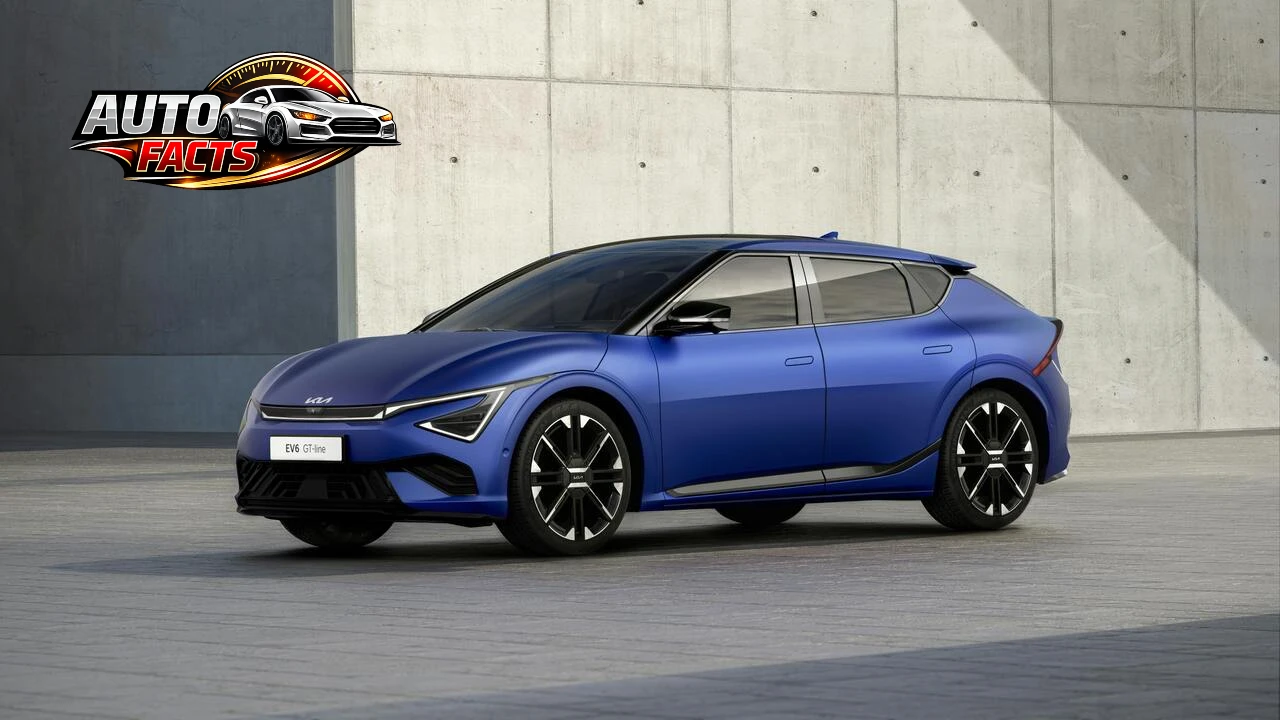
Electric motors deliver 100% of their torque instantly. There is no waiting for a turbo to spool up or a transmission to downshift. Even a standard, non-performance EV like a Tesla Model 3 or a Hyundai Ioniq 6 will out-accelerate most entry-level sports cars from a standstill. This instant throttle response makes EVs safer for merging into highway traffic and significantly more “zippy” in urban environments.
Myth 6: “Electric Vehicles Are Too Expensive for the Average Person”
The high “sticker price” of EVs is often cited as a barrier. While luxury EVs are expensive, the total cost of ownership (TCO) tells a different story.
The Reality
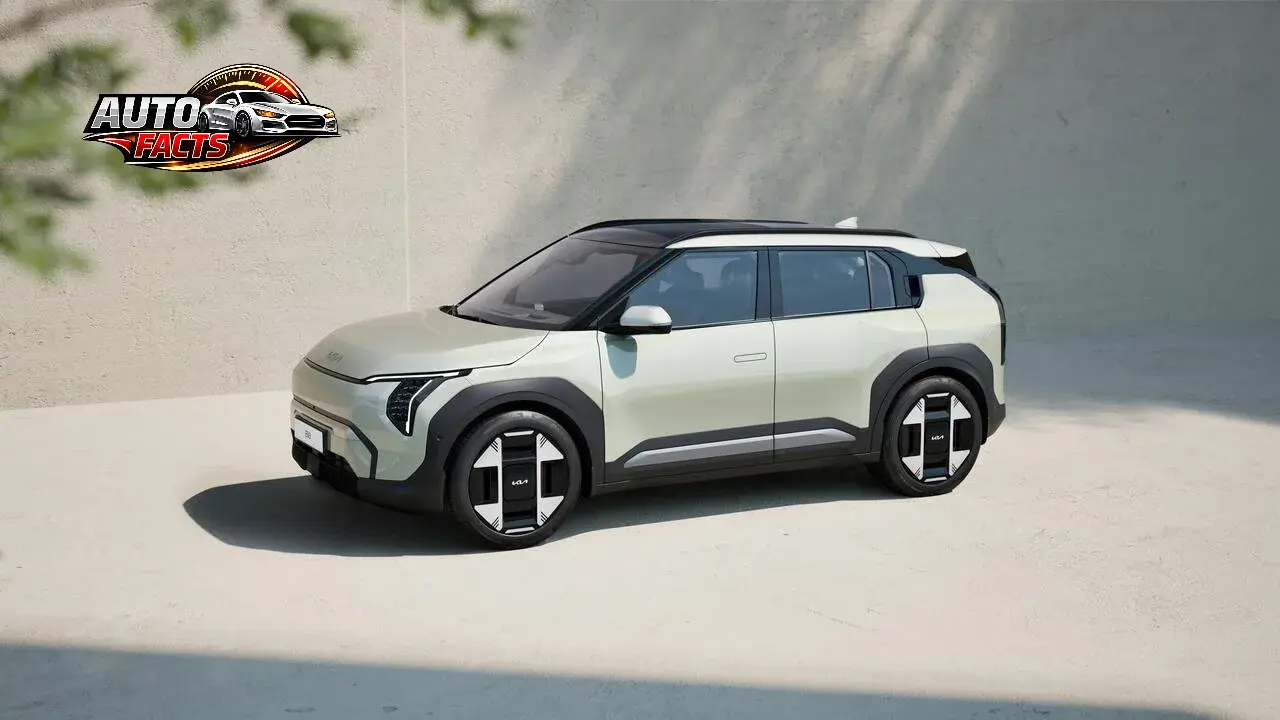
When you factor in EV tax credits, the absence of $80 oil changes, and the significantly lower cost per mile of electricity vs. gasoline, EVs often become cheaper than ICE cars within 3–5 years of ownership. Additionally, 2026 has seen the arrival of several “budget” EV models from manufacturers like Chevrolet, Volvo, and various EU brands, bringing the entry price down to the $25,000–$30,000 range before incentives.
Maintenance Comparison:
- ICE Costs: Spark plugs, timing belts, oil filters, oxygen sensors, mufflers, and transmission fluid.
- EV Costs: Tires, cabin air filters, and windshield wiper fluid. That’s essentially it.
Myth 7: “Electric Cars Are Dangerous in a Flood or Rain”
Some people fear that driving an EV in a thunderstorm or through a car wash will result in electrocution or a short circuit.
The Reality
EV components are sealed and “ingress protected” to incredibly high standards (often IP67 or higher). You can safely drive an EV in a torrential downpour and through deep puddles just as you would a gas car. In fact, because EVs don’t have an air intake (which can “hydro-lock” a gas engine), some EVs are actually better at navigating shallow floodwaters than internal combustion vehicles (though we never recommend driving through floods!).
Myth 8: “EVs Are Not Practical in Cold Climates”
It is widely reported that EVs lose range in the winter, leading people in Canada, the Northern USA, and Scandinavia to believe they aren’t viable.
The Reality
While cold weather does affect battery chemistry and cabin heating consumes energy, Norway—one of the coldest countries on earth—has the highest EV adoption rate in the world (over 80% of new car sales). Modern EVs now use Heat Pumps, which are 300% more efficient than traditional heaters, significantly preserving winter range. Furthermore, an EV can be “pre-conditioned” (warmed up) while still plugged into your house, ensuring a warm cabin and a warm battery before you even leave your driveway.
Conclusion: The Data-Driven Choice
The top myths about electric cars often stem from a grain of truth that has been distorted over time or rendered obsolete by rapid technological advancement. In 2026, EV ownership is no longer a compromise for the “green-conscious”—it is a pragmatic choice for anyone looking for high performance, low maintenance, and long-term financial savings.
By debunking these misconceptions, we see that the auto insurance premium and initial purchase price are just small parts of a much larger, more positive financial and environmental picture. If you’ve been sitting on the fence, the facts suggest the time is right to make the switch.
FAQ
Does charging an EV take all night?
With a Level 2 home charger, a full charge typically takes 6–9 hours (overnight). However, most people only use 15-20% of their battery daily, meaning it only takes about an hour or two to “top off” each night.
Can you tow with an electric car?
Yes. Many modern electric SUVs and trucks (like the Rivian R1T or Ford F-150 Lightning) have higher towing capacities than their gas counterparts due to instant torque. Note that towing heavy loads will reduce your total range by approximately 40-50%.
Are EV batteries made by child labor?
This was a significant concern regarding cobalt mining in the DRC. However, the industry is moving toward LFP (Lithium Iron Phosphate) batteries which contain zero cobalt, and major manufacturers now use blockchain tracking to ensure “conflict-free” mineral sourcing.
Do EVs catch fire more often than gas cars?
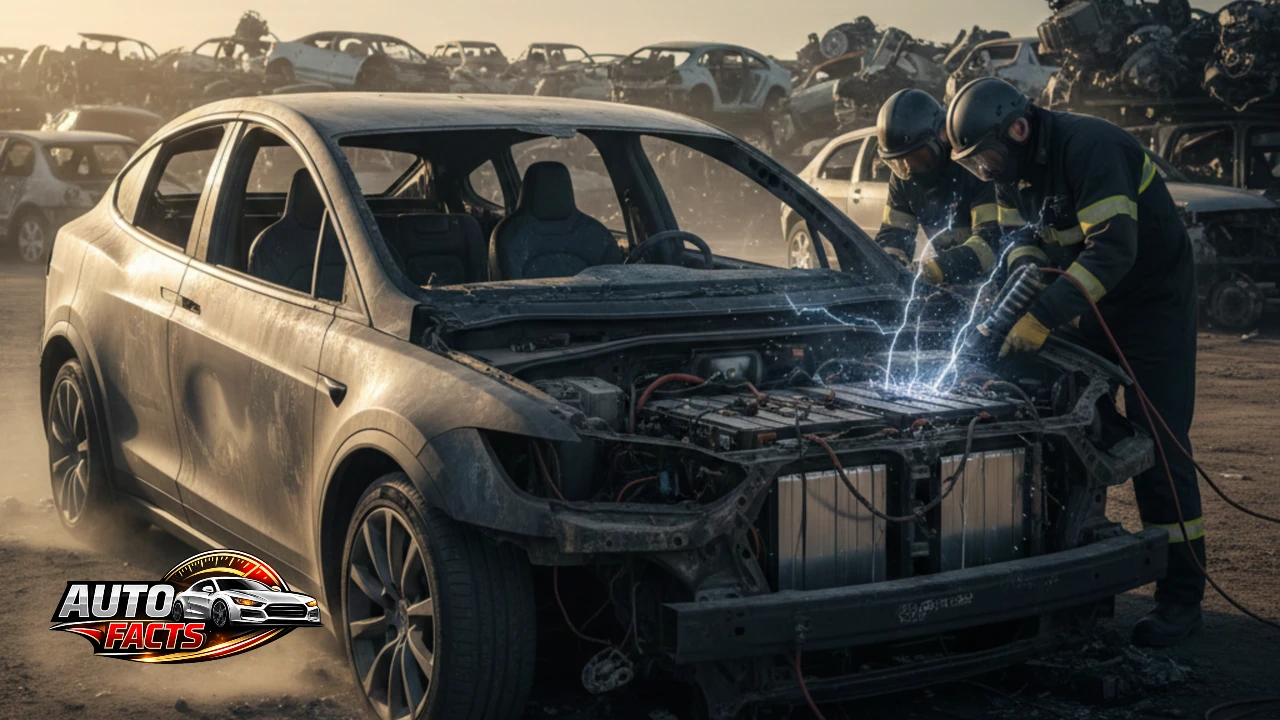
Statistics from the National Transportation Safety Board (NTSB) actually show that gas cars are about 60 times more likely to catch fire per 100,000 vehicles than electric cars. EV fires are rare, though they do require different techniques for firefighters to extinguish.
What happens if I run out of charge on the highway?
The same thing that happens if you run out of gas. You will need a tow. However, EVs give you multiple warnings and will enter a “Turtle Mode” to help you reach a safe stopping point or a nearby charger before the battery completely dies.