This Hidden Car Button Could Save You Thousands in Repair Costs — And Most Drivers Never Use It
If you own a car built in the last 15 years, there’s a good chance you’re sitting on a feature that could protect your engine, extend your transmission’s life, and help you avoid some of the most expensive auto repair bills imaginable — and you’ve probably never touched it.
No subscription. No mechanic visit. No upgrade required. Just one small button that the vast majority of drivers completely ignore.
In a year when the average auto repair bill has climbed past $1,200 — and full transmission replacements routinely exceed $5,000 — understanding how to properly operate your own vehicle has never been more financially important.
The Warning Sign Most Drivers Ignore
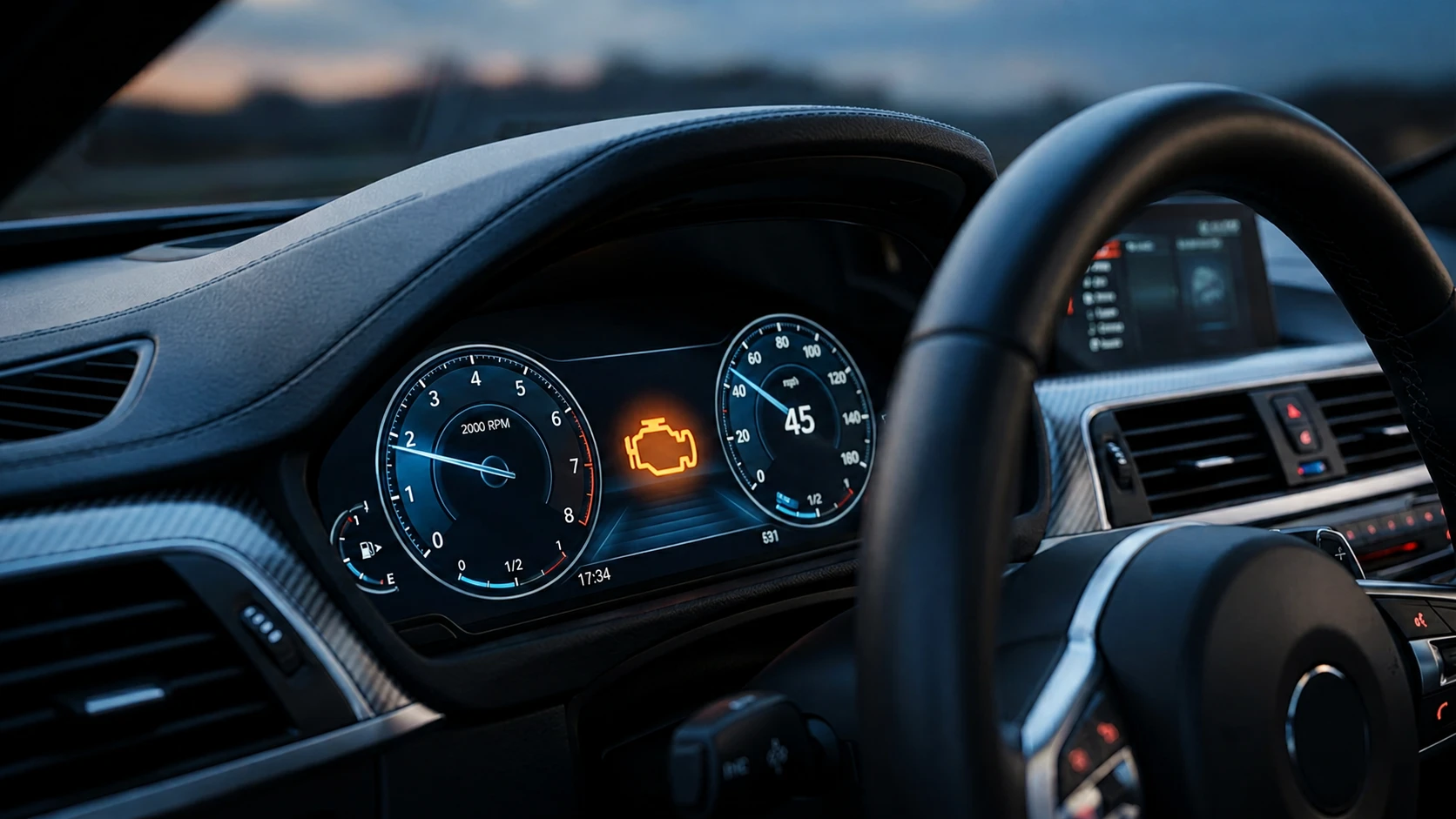
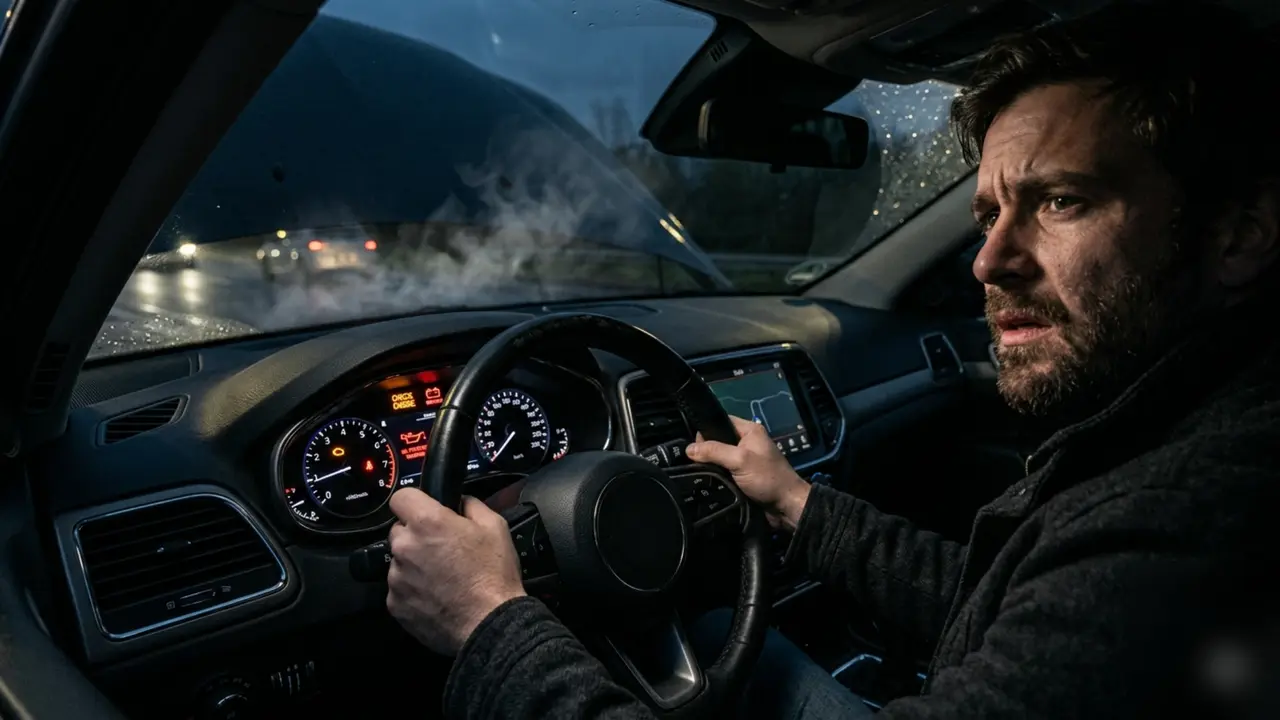
It starts subtly. You’re cruising down the highway and feel a faint vibration beneath your feet. Maybe a slight hesitation when the car shifts gears. Most people chalk it up to road conditions and do nothing.
But here’s what automotive engineers and certified mechanics know that the average driver doesn’t: those subtle sensations are often your transmission talking. The cost difference between catching a transmission problem early versus late can be the difference between a $200 fluid service and a $6,000 rebuild.
The American Automobile Association (AAA) estimates Americans pay over $1,986 per year on average for vehicle repairs and maintenance. A significant portion goes directly to transmission and drivetrain repairs that could have been minimized with better driving habits. And this is where the button comes in.
What Is the “Overdrive Off” Button — And Why Does It Exist?
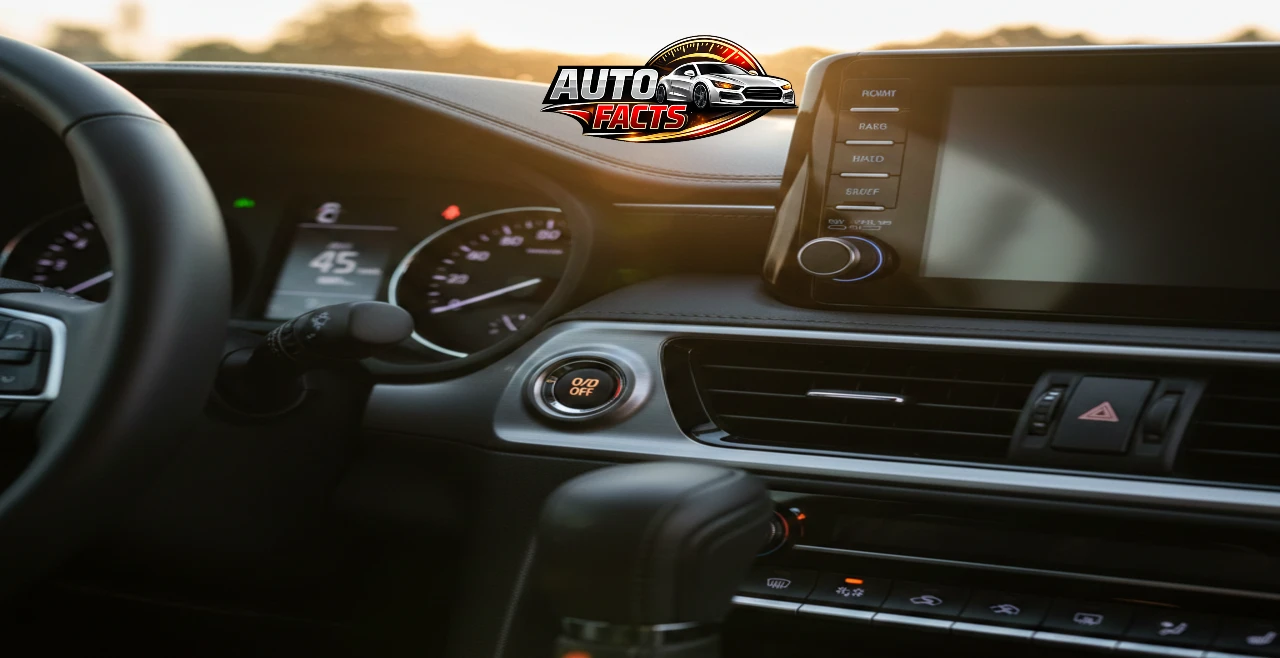
Somewhere on your gear shifter or center console, there is likely a button labeled O/D OFF, Tow/Haul, or Eco Mode. Different manufacturers call it slightly different things, but the core function is the same: it controls how and when your automatic transmission shifts into its highest gear.
In simple terms, overdrive is your vehicle’s tallest gear — designed to lower engine RPMs at highway speeds, improving fuel economy during steady, flat-road cruising. Under ideal conditions, overdrive is exactly what you want.
But real driving conditions are almost never ideal. Mountains. Stop-and-go traffic. Towing a trailer. Carrying five passengers and a full trunk. In these scenarios, being locked in a high overdrive gear forces your engine and transmission to work significantly harder — generating excess heat, causing unnecessary gear hunting, and placing mechanical stress on components not designed for that kind of sustained load.
The Overdrive Off button exists to solve exactly this problem. When activated, it prevents the transmission from engaging that highest gear, delivering consistent torque without the excess strain. Think of it like trying to ride a bicycle up a mountain in its highest gear — technically possible, but exhausting and damaging over time. Shift down, and everything gets easier.
The Real Cost of Getting This Wrong
Transmission and drivetrain issues are among the most expensive automotive repairs a person can face. Here’s a realistic breakdown of current market costs:
- Transmission fluid flush and service: $150 – $350
- Shift solenoid replacement: $400 – $900
- Torque converter replacement: $800 – $2,500
- Transmission valve body replacement: $1,000 – $2,800
- Rebuilt/remanufactured transmission: $2,800 – $6,000
- New OEM transmission replacement: $5,000 – $10,000+
- Engine overheating damage repair: $1,500 – $5,000
Compare those figures to the cost of using your Overdrive Off button correctly: $0.
Here’s where it gets particularly relevant to drivers who carry comprehensive auto insurance or a mechanical breakdown insurance (MBI) policy: most standard auto insurance policies do not cover mechanical wear and tear. If your transmission fails due to heat damage or improper gear use, your insurer will almost certainly classify it as a maintenance issue — not a covered loss.
Extended warranty plans often include similar exclusions for “negligent operation” or “improper use.” If an adjuster determines the damage was caused by preventable driving behavior, your claim can be denied — a reality many drivers only discover after receiving a denial letter and a five-figure repair estimate.
When Should You Actually Use It?
There are clear, well-defined situations where engaging Overdrive Off (or Tow/Haul mode) is the mechanically correct decision:
Mountain Driving and Steep Grades
On steep roads, your engine works against gravity in addition to normal road resistance. If the transmission is simultaneously hunting between overdrive and the next gear down, you’re creating a feedback loop of mechanical stress. Engaging Overdrive Off before you begin climbing gives your transmission a stable gear, reduces heat generation, and maintains consistent power output. Equally important: use it on the way down. Engine braking on long descents dramatically reduces wear on your brake pads and rotors — turning what could be a $600 rotor replacement job into a simple $200 pad change.
Towing a Trailer or Boat
If your vehicle has a tow rating and you’re using it, Tow/Haul mode is not optional — it’s essential. Towing in standard drive with overdrive engaged creates sustained high heat in your transmission fluid, accelerates wear on clutch packs, and can cause premature failure of the torque converter — the single most expensive transmission component outside of a full rebuild.
Heavy Load Carrying
You don’t have to be pulling a trailer to stress your drivetrain. A fully loaded SUV with seven passengers and packed cargo is operating near its gross vehicle weight rating (GVWR). The same principles apply: overdrive creates unnecessary gear hunting and heat that lower gears handle more safely.
Dense Stop-and-Go Traffic
In bumper-to-bumper conditions, many automatic transmissions will attempt to shift into top gear during brief speed increases, only to immediately shift back down — a cycle that generates heat and increases wear on friction materials. Disabling overdrive in heavy traffic keeps the transmission in a gear range that matches actual driving conditions.
What’s Actually Happening Inside Your Transmission
Automatic transmission fluid (ATF) is engineered to operate within a specific temperature range — typically 175°F to 225°F. When the transmission works hard in an overly high gear, fluid temperatures can climb past 250°F, 275°F, and in severe cases well beyond 300°F.
At elevated temperatures, ATF degrades significantly. Its viscosity changes. Its lubricating properties diminish. The friction materials on clutch packs and bands wear at an accelerated rate. Mechanics who specialize in transmissions describe the progression this way: hot fluid leads to degraded friction materials, which leads to slipping, which leads to solenoid failure or valve body damage, which eventually leads to a full rebuild or replacement. Each step is dramatically more expensive than the last.
The Overdrive Off button is one of the most accessible tools a driver has to manage heat and load before that progression begins.
Overdrive Off vs. Tow/Haul vs. Eco Mode
Traditional O/D Off: Does one thing — prevents the transmission from engaging overdrive. Simple and effective, found on most vehicles from the 1990s through early 2010s.
Tow/Haul Mode: More sophisticated — adjusts shift timing, shift firmness, and transmission cooling behavior. For towing and heavy loads, Tow/Haul is preferable to simple O/D Off when available.
Sport Mode: Holds lower gears longer and improves throttle response, similar in function to O/D Off. Useful in mountain driving.
Eco Mode: The opposite of what this article recommends for challenging conditions. Eco Mode actively encourages early upshifting — the exact behavior you want to avoid when climbing hills, towing, or carrying heavy loads.
What About Fuel Economy?
Yes — disabling overdrive will reduce your MPG, because overdrive exists specifically to improve fuel economy. But this trade-off only matters when you use it in the wrong situation.
On flat highway driving at steady speeds with no load, keep overdrive on. In the specific situations this article describes — mountains, towing, heavy loads, stop-and-go traffic — the fuel economy benefit of overdrive is, under load, often negligible anyway. Turn overdrive off when you need it, turn it back on when conditions improve. It’s a one-button toggle that takes less than a second.
The Broader Picture: Proactive Car Ownership in a High-Cost Era
New vehicle prices have risen sharply in recent years, pushing more drivers into longer loan terms. Used vehicle prices remain elevated. Auto insurance premiums have climbed in most U.S. states, with some regions seeing increases of 20% to 30% year over year. Labor rates at dealerships and independent shops have risen with inflation and technician shortages.
In this environment, drivers who fare best financially treat their vehicles as the significant investments they are — using every available tool to extend component life, avoid preventable failures, and maintain the vehicle’s condition in ways that support insurance claims, warranty coverage, and resale value. Understanding what your vehicle’s driving modes actually do — and using them correctly — costs nothing and pays dividends across the entire ownership period.
Frequently Asked Questions
Can I damage my car by using Overdrive Off too often?
No. Using it in the wrong conditions (flat highway, no load) will reduce fuel economy, but won’t damage your vehicle. The risk runs the other direction — leaving overdrive engaged in demanding conditions creates more potential for damage than occasionally disabling it unnecessarily.
My car has a CVT — does this apply to me?
CVT vehicles don’t have discrete gears, so traditional “Overdrive Off” doesn’t apply directly. However, many CVT-equipped vehicles offer Sport or Manual modes that adjust the operating ratio range similarly. Consult your owner’s manual for your specific vehicle’s recommendations.
How do I know if my transmission is already showing damage?
Common warning signs: delayed or rough shifting, slipping between gears (engine revs but vehicle doesn’t accelerate proportionally), unusual sounds during gear changes (clunking, whining), or the transmission warning light. If you observe any of these, a diagnostic inspection from a qualified transmission specialist is strongly recommended before the issue progresses.
Does using the wrong mode affect my auto insurance or extended warranty?
Standard collision and comprehensive auto insurance typically doesn’t cover mechanical failure. However, mechanical breakdown insurance (MBI) and extended warranty plans often include provisions about proper vehicle operation. Using appropriate driving modes as recommended by the manufacturer strengthens your position if a claim is ever disputed under “negligent operation” clauses.
Where exactly is this button on my car?
Look at your gear selector and surrounding console area for a button labeled O/D, OD, Tow/Haul, or similar. If it’s not there, check near the steering column or instrument panel. Your owner’s manual will have a clear illustration — and more importantly, will specify exactly when the manufacturer recommends using it.
This article is intended for general educational purposes regarding vehicle operation and maintenance. Always consult your vehicle’s owner’s manual and a qualified automotive professional for advice specific to your make, model, and driving conditions. Repair cost estimates are approximate and vary by region, vehicle type, and service provider.