









12 Car Facts You Won’t Believe Exist – And How They Affect Your Wallet
We spend a significant portion of our lives behind the wheel, yet most of us treat our vehicles like mysterious metal boxes that move us from point A to point B. Whether you are a die-hard petrolhead or someone who just wants to get to work without a breakdown, the world of automobiles is filled with quirks that go far beyond horsepower and paint colors. But here is the kicker: what you don’t know about car facts can actually cost you thousands of dollars over the lifespan of your vehicle.
From the hidden engineering of your dashboard to the global logistics of spare parts, the auto industry is built on secrets that directly influence your car insurance premiums, car maintenance costs, and resale value. In this deep dive, we are uncovering 12 unbelievable truths about cars that will change the way you look at your driveway—and your bank account. Buckle up; some of these financial implications are as shocking as the facts themselves.
1. The “New Car Smell” is Actually Chemical Off-gassing
That intoxicating “new car” scent that dealerships love to brag about isn’t a perfume; it’s a cocktail of over 50 volatile organic compounds (VOCs). These chemicals come from the adhesives, plastics, and foams used in the interior. While it signals “freshness” to our brains, it’s essentially the smell of a factory still settling into its skin.
The Wallet Impact: Beyond the health considerations, this fact hits your wallet through unexpected car expenses related to interior care. Because these materials are “gassing out,” they are more susceptible to UV damage and cracking in the first 24 months. If you don’t invest in high-quality sunshades or interior protectants early on, your dashboard and upholstery can age prematurely, slashing your resale value by up to 10% when you’re ready to trade in.
2. White is the Most Popular Car Color for a Financial Reason
According to global coatings reports, white has been the world’s most popular car color for over a decade. While it might seem boring, it isn’t just about aesthetics. White cars stay cooler in the sun and are statistically easier for other drivers to see in low-light conditions.
The Wallet Impact: This is one of those car facts that saves you money at the pump and the insurance office. In hotter climates like Australia or the Southern USA, a white car requires significantly less air conditioning to cool down, improving fuel efficiency by roughly 1-2%. Furthermore, because they are more visible, some studies suggest white cars are involved in fewer “side-swipe” accidents, which keeps your car insurance claims low and your no-claims bonus intact.
3. Most Modern “Engine Noise” is Fake
If you drive a modern turbocharged car or an EV, that growling engine note you hear in the cabin might be coming from your speakers. Manufacturers use “Active Sound Design” to pipe synthetic engine noises into the cockpit because modern engines are too quiet to satisfy consumer expectations for “sportiness.”
The Wallet Impact: This affects car maintenance costs in a surprising way: electrical complexity. When your “engine sound” is tied to your infotainment system, a simple software glitch or a blown speaker can lead to a diagnostic bill at the dealership that costs hundreds of dollars. It also masks the actual sounds of engine distress. If you can’t hear a real mechanical “tick” because the speakers are pumping in fake V8 sounds, you might miss a minor repair until it turns into a multi-thousand-dollar engine failure.
4. The Average Car Has 30,000 Parts
It sounds like an exaggeration, but when you count every screw, wire, washer, and sensor, the average combustion vehicle is a jigsaw puzzle of approximately 30,000 individual components. This complexity is a marvel of engineering, but also a statistical nightmare.
The Wallet Impact: The sheer volume of parts is why car maintenance costs fluctuate so wildly between brands. High-end European brands often use proprietary fasteners or specialized sensors that can’t be swapped for generic versions. When one of those 30,000 parts fails, the labor cost to reach it often exceeds the price of the part itself. Understanding this complexity helps you realize why a “bumper-to-bumper” warranty is one of the most valuable financial assets a car owner can have.
5. Electric Vehicles (EVs) Are “Tire-Eaters”
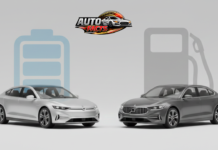
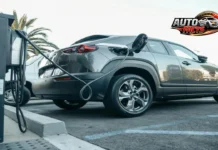
Among the most discussed EV facts is their instant torque and quiet operation. However, what many new owners don’t realize is that EVs are significantly heavier than their gas counterparts due to massive battery packs. This weight, combined with instant power, puts immense stress on the rubber.
The Wallet Impact: Expect to pay 20-30% more in car maintenance costs for tires if you switch to an EV. EV-specific tires are engineered to handle higher loads and reduce rolling noise, making them more expensive than standard tires. If you drive an EV with a “lead foot,” you might find yourself replacing a $1,200 set of tires every 20,000 miles instead of the usual 50,000 miles. Saving on gas is great, but you must budget for the “rubber tax.”
6. Your Dashboard Clock Can Predict Your Battery Failure
In many modern vehicles, the first sign of a dying 12V battery isn’t a slow crank; it’s the electronics acting “weird.” If you notice your digital clock resetting, your GPS taking longer to boot, or your power windows moving slightly slower, your battery is likely on its last legs.
The Wallet Impact: Proactive battery replacement costs about $150. Waiting for the battery to die completely usually results in unexpected car expenses like a $100+ tow truck fee and the premium price of a battery at a roadside service station. Monitoring these “ghost in the machine” symptoms can save you the stress of being stranded and the “emergency markup” on parts.
7. The 17-Digit VIN is a Financial DNA Sequence
Every car produced since 1981 has a 17-digit Vehicle Identification Number (VIN). This isn’t just a serial number; it contains coded information about the factory it was built in, the engine type, and even the safety equipment installed.
The Wallet Impact: Your car insurance company uses this number to determine your premium. If the VIN reveals your car has advanced driver-assistance systems (ADAS), your premium might be lower because of safety—OR higher because those sensors are incredibly expensive to replace after a minor fender bender. Before buying a used car, always run the VIN through a history report to ensure it wasn’t a “total loss” in another country, which could make it uninsurable or dangerous.
8. Braking Too Gently Can Actually Hurt Your Car
While “hypermiling” and gentle driving are usually praised, being too light on the brakes can lead to “glazing.” This happens when the brake pads don’t get hot enough to friction-clean the rotors, leading to a smooth, slippery surface that reduces stopping power.
The Wallet Impact: Glazed brakes often squeak and perform poorly, leading many mechanics to recommend a full (and expensive) brake job. By occasionally applying firm (but safe) pressure to your brakes, you keep the surfaces clean. This simple habit can extend the life of your rotors, saving you roughly $400 to $600 in premature car maintenance costs over a few years.
9. Most Cars Spend 95% of Their Time Parked
Statistical car facts show that for the vast majority of owners, their second most expensive asset sits idle for 23 hours a day. This is a massive underutilization of capital that the modern economy is starting to exploit.
The Wallet Impact: If you live in an urban center, the “cost per mile” of owning a car you rarely drive can be staggering. When you factor in depreciation, car insurance, and registration, you might be paying $10 per mile. This has led to the rise of peer-to-peer rental platforms where you can turn your parked car into a passive income stream, potentially offsetting your entire monthly car payment.
10. The “Radio Shack” Effect: Your Car is a Data Goldmine
Modern cars are essentially “smartphones on wheels.” They track your location, your driving habits, how hard you brake, and even what music you listen to. This data is often transmitted back to the manufacturer via built-in cellular connections.
The Wallet Impact: In some regions, insurance companies offer “telematics” programs. If you are a safe driver, sharing this data can slash your car insurance rates by 30%. However, the flip side is true: if the data shows you consistently speed or drive late at night, your premiums could skyrocket. Being aware of your car’s data privacy settings is now a financial necessity.
11. Aluminum Body Panels Are a Double-Edged Sword
To meet fuel economy standards, many manufacturers (like Ford with the F-150) switched from steel to aluminum. Aluminum is lighter and doesn’t rust, which sounds like a win-win for the consumer.
The Wallet Impact: Aluminum is significantly harder and more expensive to repair than steel. It requires specialized welding equipment and “clean rooms” to prevent cross-contamination. Consequently, a small dent in an aluminum door can cost twice as much to fix as the same dent in a steel door. This is reflected in higher car insurance premiums for vehicles with extensive aluminum or carbon fiber components.
12. Windshield Wipers: The Smallest Part with a Big Price Tag
A surprising fact about the auto industry is the move toward “integrated” technology. Some luxury cars now have heated wiper blades with built-in laser-cut washer nozzles that spray fluid directly from the blade itself.
The Wallet Impact: On an older car, a set of wipers costs $30 and takes two minutes to change. On a modern high-tech vehicle, a set of specialized blades can cost over $150, and if the heating element fails, it can trigger a dashboard warning light that prevents you from passing a safety inspection. Always check the cost of “consumables” like wipers and specialized filters before buying—they are the unexpected car expenses that nibble away at your monthly budget.
Final Thoughts: Knowledge is the Best Fuel
Exploring these car facts reveals a consistent theme: the more complex our vehicles become, the more opportunities there are for both savings and “hidden” costs. Whether it’s choosing a white car to save on AC or being mindful of how your EV facts differ from gas-car logic, staying informed is the only way to navigate the modern auto industry without overspending.
Your car is likely your most expensive recurring cost after housing. By understanding the 30,000 parts under the hood and the data-tracking sensors in the cabin, you can take control of your car insurance rates and minimize car maintenance costs. Next time you hear a weird noise or smell that “new car” scent, you’ll know exactly what it means for your wallet. Drive smart, stay curious, and keep your maintenance schedule as sharp as your driving!